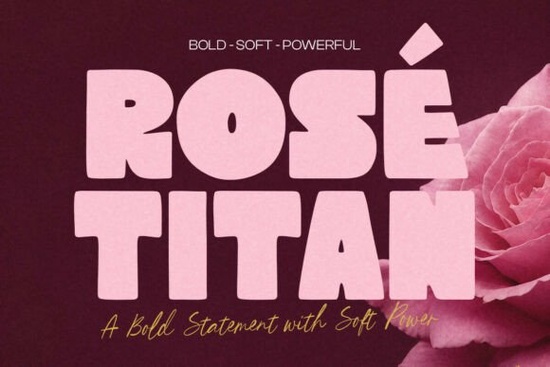
When you need a typeface that balances bold impact with a soft, approachable feel, the Rose Titan Font is a fantastic choice. This bold display font features chunky curves and soft corners, giving it a strong feminine energy. It feels both powerful and sweet, making it perfect for projects that need to stand out without looking aggressive. Whether you are designing a logo, packaging, or social media graphics, this typeface brings a smooth, confident look while keeping its playful charm. Typography often dictates the mood of a project, and finding that sweet spot between strong and inviting can be difficult.
What makes this typeface stand out for branding?
The design draws heavy inspiration from retro poster styles but adapts them for modern beauty and lifestyle branding. The thick strokes and rounded edges create a welcoming vibe. It is especially useful for businesses in the cosmetics, boutique clothing, or wellness sectors. If you are exploring other contemporary display options for your brand, you will notice how this specific style bridges the gap between vintage nostalgia and current design trends.
How can crafters and POD sellers use it?
Print-on-demand sellers and crafters will find this typeface incredibly versatile. Because of its thick lines, it reads beautifully on physical products, catching the eye immediately in a crowded marketplace. You can use it for a variety of items:
- Tote bags and apparel where the text needs to be legible from a distance.
- Cosmetic packaging like lip gloss tubes, lotion bottles, or artisan soap labels.
- Wedding invitations that require a bold but romantic header for the couple's names.
- Baby shower decor where a soft, welcoming aesthetic is essential for the theme.
For a more playful, textured look on kids' items, you might also check out sticker texture alternatives. Similarly, if you want something slightly more whimsical for your shop, a cute gallery style could be a good backup.
What are the best pairing strategies for this font?
Because this is a heavy display typeface, it needs plenty of breathing room on the page. The best strategy is to pair it with a clean, simple sans-serif for your body text. This ensures readability while letting the main headline shine. You should also pay attention to your line height. Giving your body text a generous leading will prevent the design from feeling cluttered.
If you are designing a heavy retro poster and need another thick typeface for a secondary headline, a thick block typeface works well for a layered effect. Alternatively, for a slightly different geometric vibe, a geometric bold option offers a great structural contrast.
What do small businesses need to know about licensing?
When using a new typeface for commercial projects, understanding the license is just as important as the design itself. Small business owners and freelance designers should always check the specific terms included with the download. Most display fonts on creative marketplaces offer standard commercial licenses that cover physical products, digital templates, and client work. However, if you plan to use the font to create a digital product that the end-user will edit, like a customizable template, you may need an extended license. Always read the details carefully to protect your business.
How do you get the most out of the letterforms?
To make the most of the chunky curves and soft corners, pay attention to your spacing and color choices.
- Increase letter spacing: Adding a little extra tracking to the uppercase letters enhances the retro poster feel.
- Use soft color palettes: Pastels, warm nudes, and muted earth tones complement the feminine energy perfectly.
- Keep it short: This typeface is meant for headers. Limit it to one to three words per line to maintain its impact.
What should you check before finalizing your design?
Before you send your files to the printer or publish them online, run through this quick checklist to ensure your design is fully optimized:
- Check the legibility at your intended print or screen size by zooming out.
- Ensure your background color provides enough contrast against the text for accessibility.
- Verify that your body font is simple enough not to compete with the main header.
- Make sure the margins around your text block are balanced and visually pleasing.
Tip: Always test your design in black and white first. If the hierarchy and readability hold up without color, your layout is solid.
Download Now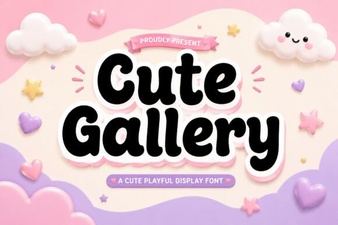 Cute Gallery Font for Unique Web Projects
 Military Fonts for Powerful Design Projects
 Evertone Block Font: Stylistic Web Design Guide
 Super Mario Typography: Bold Fonts for Designers
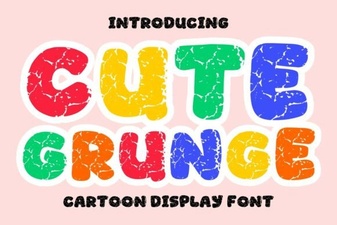 Cute Grunge Fonts for Your Creative Projects
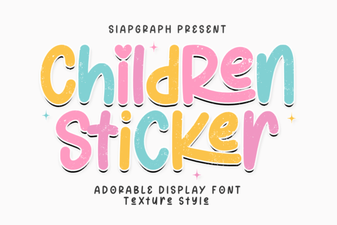 Playful Sticker Fonts for Creative Kids Projects