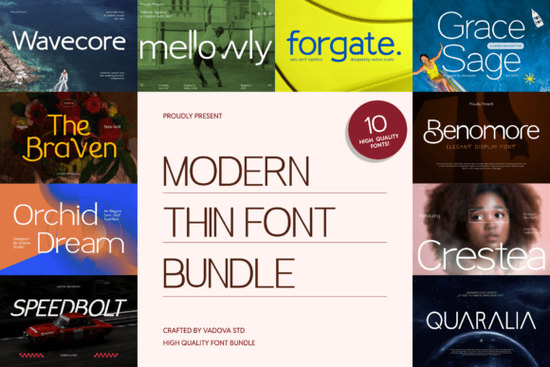
If you are working on a minimalist branding project or a sleek editorial layout, choosing the right lightweight typeface is crucial. The Modern Thin Bundle Font offers a refined collection of elegant, airy typefaces that bring a sophisticated touch to your visual work. Instead of relying on heavy, bold letters, these minimalist fonts provide the clean structure needed for high-end fashion visuals, packaging, and digital interfaces.
What makes lightweight typefaces work for minimalist branding?
When you strip away the heavy visual weight of a letterform, you are left with pure structure. This simplicity is exactly what communicates luxury and refinement. Thin typefaces do not shout for attention; instead, they invite the viewer to look closer. For small businesses and crafters, using a delicate font on a product label or a business card instantly signals that the brand cares about detail and quality.
However, a design cannot rely on thin lines alone. You need contrast to create a visual hierarchy. When you need a bit more visual weight for a subheading but want to keep the modern feel, pairing these with a bold rounded sans serif can create a beautiful, balanced contrast. If you are looking for more options in this specific lightweight style, you can explore the Modern Thin Bundle directly on the marketplace to see all the included variations.
Where should you use thin and airy fonts in your projects?
These typefaces are incredibly versatile, but they truly shine in specific applications where a premium aesthetic is the main goal. Here are a few practical ways to use them:
- Fashion and Beauty Packaging: Thin lines give a luxurious, high-end feel to skincare labels and perfume boxes. The airy look suggests purity and cleanliness.
- Editorial Layouts and Magazines: Large, lightweight headers draw the eye without overwhelming the page, leaving plenty of white space for a breathable layout.
- Wedding and Event Stationery: Crafters can use these elegant strokes for minimalist wedding invitations, menus, and place cards.
- Digital Interfaces: Clean menus, navigation bars, and app headers look sleek and uncluttered on screens.
Of course, not every project calls for a quiet, elegant look. For a softer, more playful approach to your packaging, you might also want to check out a sweet and rounded typeface to see how different weights and styles completely change the mood of your design.
How do you ensure thin fonts remain readable?
The biggest challenge with lightweight typefaces is legibility. Because the strokes are so delicate, they can easily get lost if not handled correctly. Here are a few rules to keep your text clear:
First, always prioritize high contrast. Use dark text on a light background, and avoid placing thin letters over busy photographs or heavy textures. Second, adjust your letter spacing. Adding a little extra tracking (space between letters) allows the characters to breathe and prevents them from blurring together, especially at smaller sizes.
If you are designing for print-on-demand apparel, be careful with the size. Thin lines can get lost in the weave of a cotton t-shirt or fade during the printing process. If you need a highly legible option for body text or smaller sizes on merchandise, a classic clean sans serif font is a reliable choice to pair with your thin headers.
What if your design needs a more energetic vibe?
While thin fonts are perfect for sophisticated and calm aesthetics, they are not the right tool for every job. If you are creating a design that needs to feel loud, energetic, or highly active, a delicate typeface will feel out of place.
For event posters, lively social media graphics, or children's products where a quiet look isn't the goal, switching to a playful event typeface will give your design the energy and movement it needs. Understanding when to use a thin, elegant font versus a bold, expressive one is a key part of building a strong typographic hierarchy. And if you want to see the exact product we are discussing today, you can view the full Modern Thin Bundle details and previews to see how it fits into your library.
Quick checklist for using lightweight typefaces
- Check your contrast: Ensure your background and text colors have a high difference so the thin strokes stand out.
- Adjust the tracking: Add a little extra space between letters to improve clarity and give the design a premium feel.
- Limit your sizes: Avoid using extremely thin weights for very small text or dense paragraphs.
- Test on different devices: If designing for screens, check how the thin lines render on mobile phones and lower-resolution monitors.
- Print a test page: For physical products, always print a proof to ensure the delicate lines hold up in the real world.
Before finalizing your layout, view your design at 100% zoom or hold a physical proof in your hands to make sure the delicate lines hold up exactly the way you want them to.
Get Started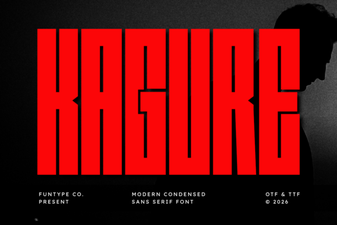 Kagure Font: Creative Design Ideas & Usability
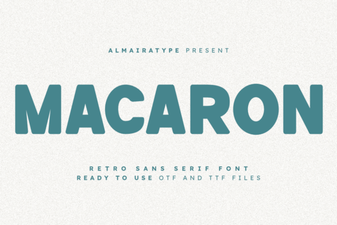 Macaron Font Style Tips & Download Guide
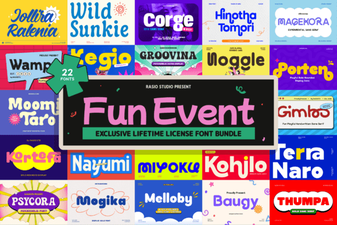 Creative Fonts for Fun Event Invitations
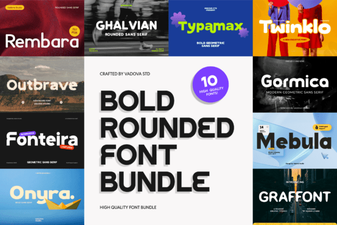 Modern Design Ideas Using Bold Rounded Fonts
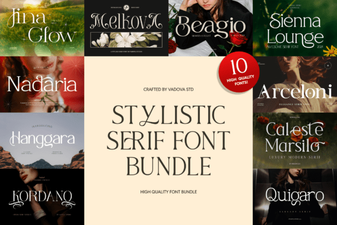 Stylistic Serifs for Creative Design Projects
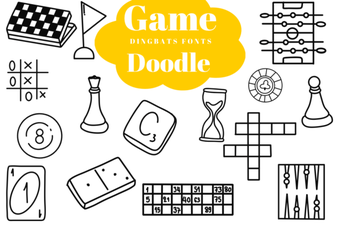 Creative Game Fonts for Doodle Designs & Logos